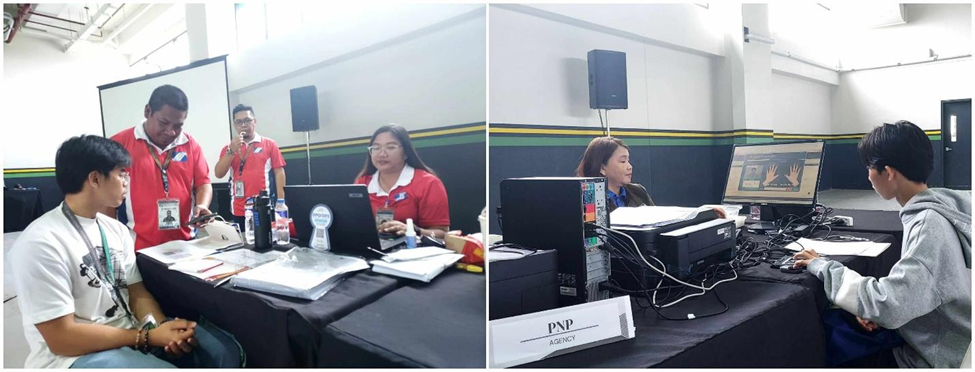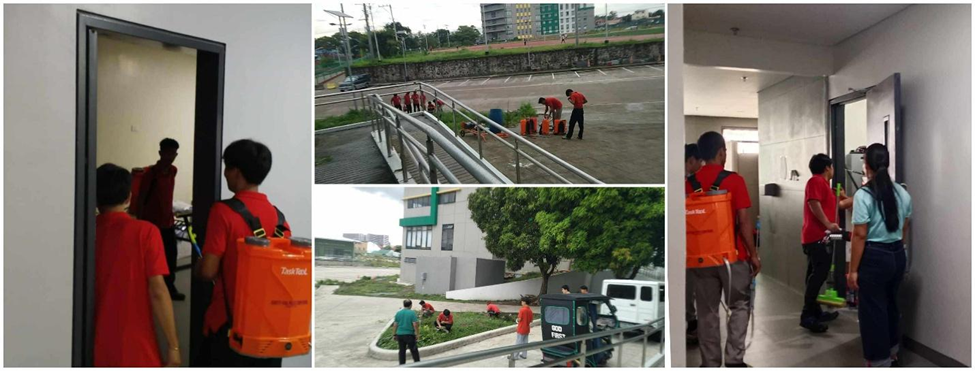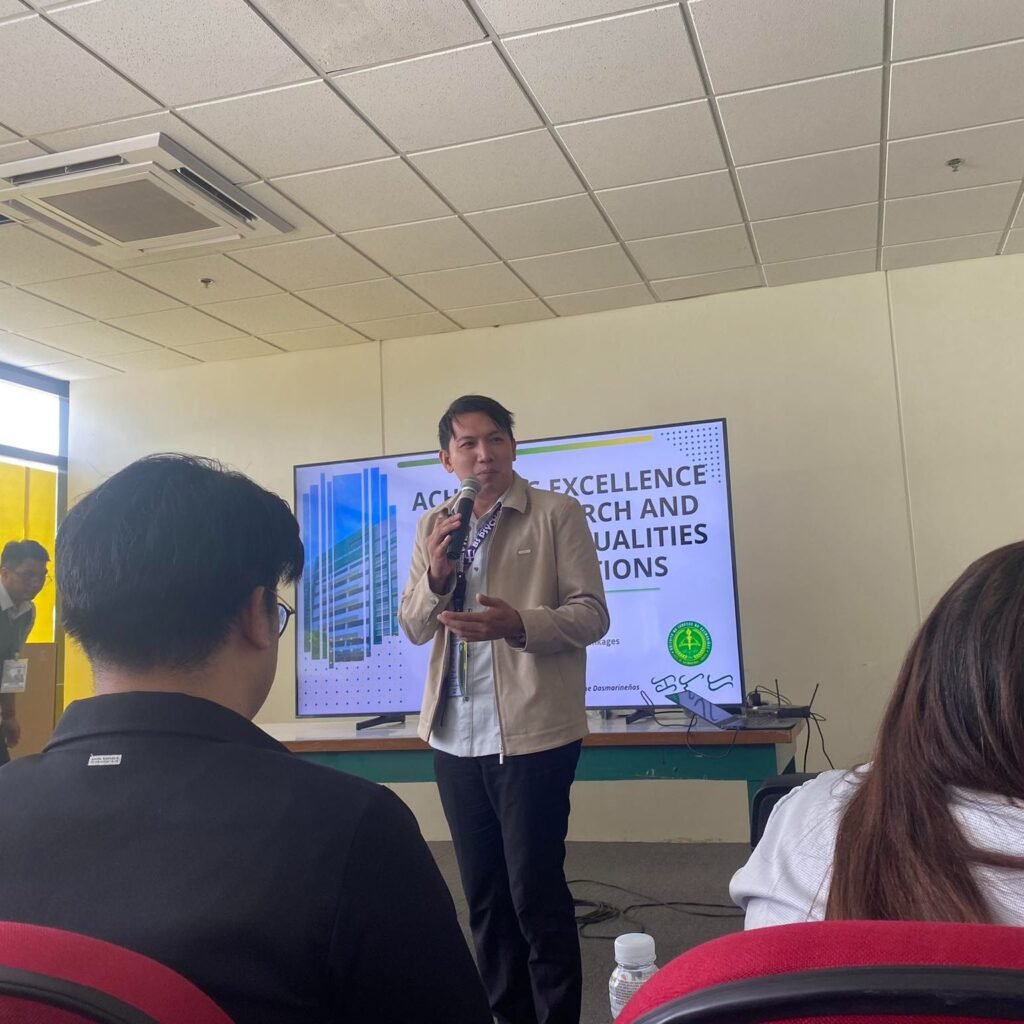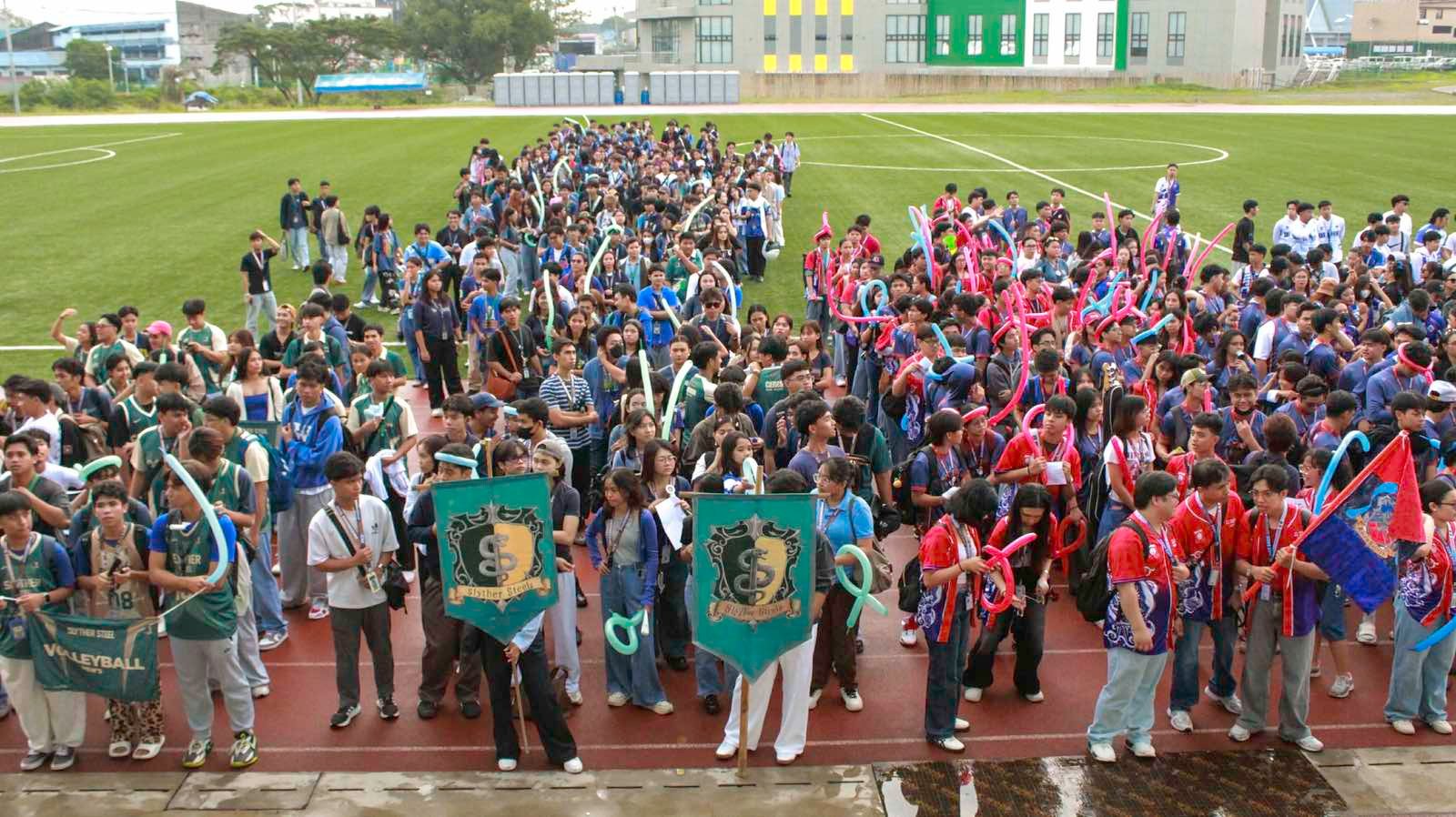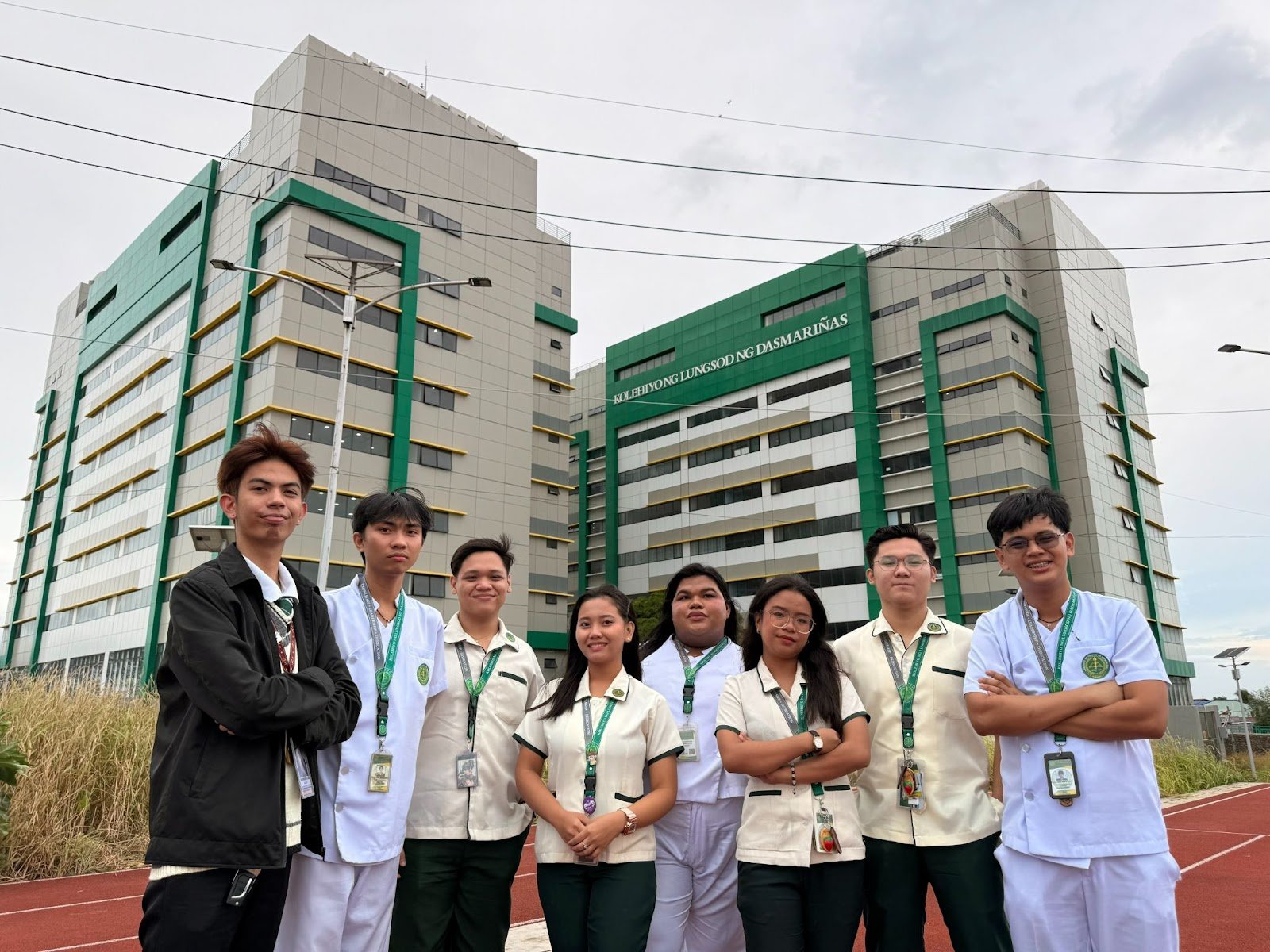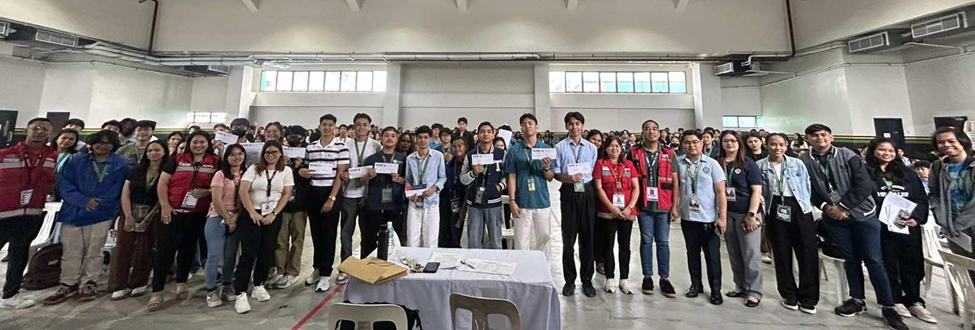
The impact of the DSWD KALAHI-CIDSS Cash for Work Program extends far beyond financial remuneration. For the student and graduate beneficiaries of KLD, this initiative has provided much-needed support, enabling them to pursue their aspirations and support their families. We had the opportunity to speak with some of the beneficiaries, who shared their heartwarming stories:
These individual stories show the profound impact of the DSWD KALAHI-CIDSS Cash for Work Program. It’s not just about providing temporary employment. It’s about empowering individuals, fostering community spirit, and creating a path for a more resilient and self-sufficient future for the youth of Dasmariñas. As the program continues, more lives are sure to be positively transformed, building a stronger community.
Personal accounts from participants like Ren-Ren Arojafo (BSN 301, Health Services Unit) and John Ybrehiem A. Garcia (BSCE 107, College Learning Commons) highlight the program’s profound impact. Ren-Ren Arojafo emphasized how the CFW program provided essential “extra money to be used to our pay in providing for our essential needs,” including groceries and study essentials. His deployment at the Health Services Unit honed his professional skills in managing clinic forms and providing health-related information, boosting his confidence for future employment.
Similarly, John Ybrehiem A. Garcia shared how the program was instrumental in covering basic household expenses. “It helped us to buy groceries and meet our payment on water bills and electricity,” he stated. Garcia also recounted a significant personal impact: “When joining the program, I was having a hard time buying uniforms (P.E. and normal uniform) and black shoes but when I got our first payout, I was able to buy a set of uniform and a pair of shoes with the money. It made my mom happy when she saw her son working hard and helping her.” Garcia’s work at the College Learning Commons involved digitalizing books for easier access and conducting inventory of library items.
Ricamae B. Fidelis and Alvina V. Padual, both deployed at the Center for Physical Plant and Facilities Management. Fidelis explained, “It provides us with extra income, which greatly helps in covering our daily necessities. This additional support contributes to our ability to navigate everyday life and sustain ourselves.” Padual echoed this, stating, “The financial assistance from CFW helped me and my family by the means of serving as an additional source of income. It means a lot to us in supporting our other expenses, also, filling in and paying for bills and some debts.” Their duties at the center involved ensuring facilities were in good condition, reporting hazardous areas, inspecting lighting systems, ceiling structures, and walls needing repainting, and conducting inventories of damaged furniture and infrastructure.
The CFW program stands as a testament to the power of targeted assistance, fostering both immediate relief and long-term growth for students and their families. This initiative continues to empower individuals, equipping them with the resources and confidence to build brighter futures.